
Strauss Capelle Vienna: the orchestra that keeps the Strauss family legacy alive
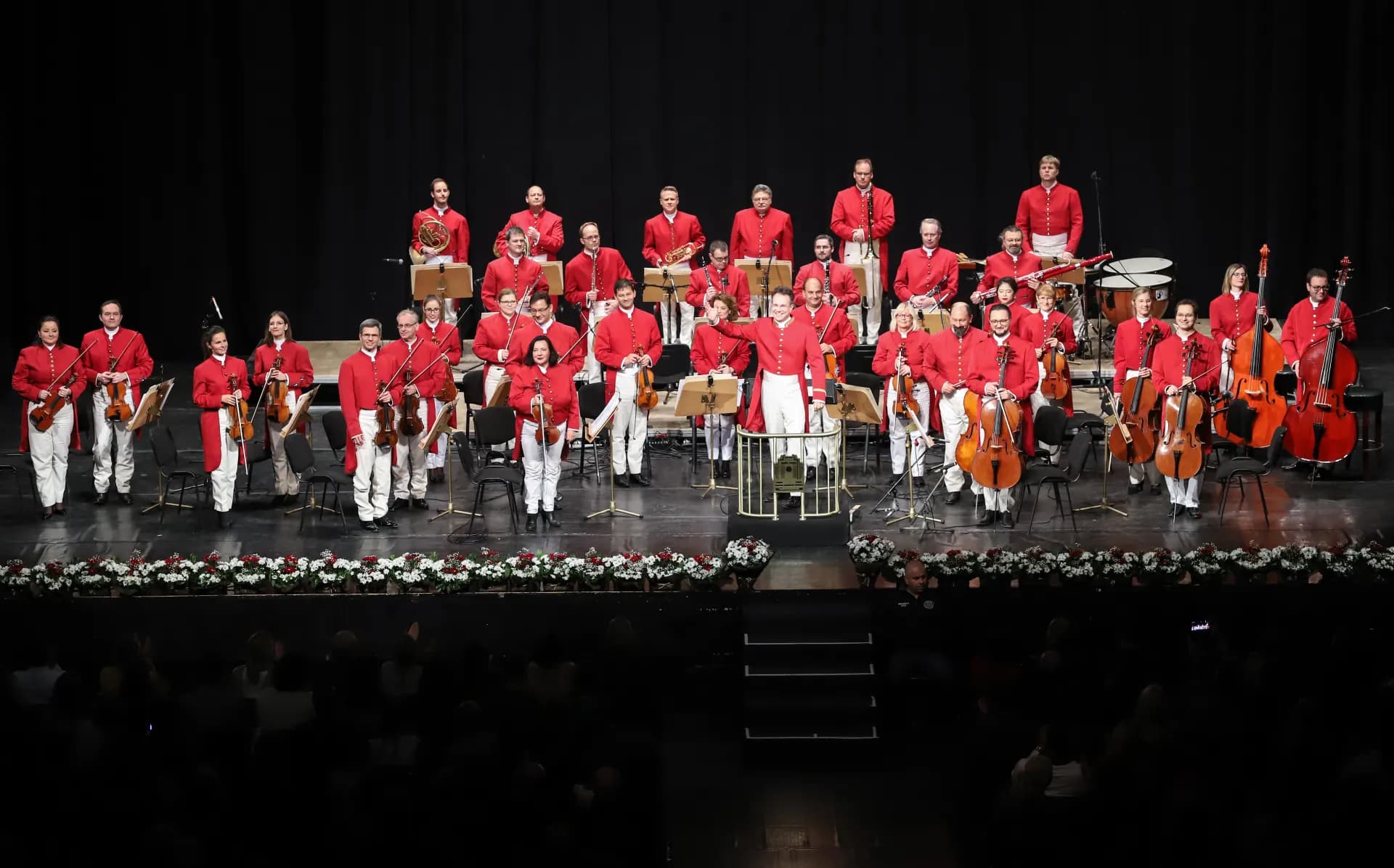
When we talk about the Viennese waltz, one name inevitably stands at the center of the story – Strauss. But behind the music of Johann Strauss Sr., Johann Strauss Sr., Joseph and Eduard Strauss, there is also an orchestral tradition that continues to live on almost two centuries later. The Strauss Capelle Vienna traces its roots to the orchestra founded by Johann Strauss Sr. in 1827. It was this ensemble that became one of the bearers of the new Viennese dance music in the 19th century – waltzes, polkas and marches, which gradually emerged from the ballrooms of Vienna and reached audiences all over Europe. (Strauss Capelle Vienna) After Eduard Strauss disbanded the original orchestra in 1901, the tradition was interrupted for decades. In 1977, the Strauss Capelle Vienna was re-established by musicians associated with leading Viennese institutions such as the Vienna Philharmonic, the Vienna State Opera and the Volksoper Wien. Since then, the ensemble has been redeveloping the repertoire and style associated with the Strauss family. (Strauss Capelle Vienna) One of the most recognizable features of the Strauss Capelle Vienna is its historic red and white uniforms. According to the orchestra's history, these were commissioned by Emperor Franz Joseph I and distinguished the Strauss Orchestra from the other orchestras at the imperial court. Today, they remain an important part of the ensemble's stage identity and visually refer to the golden age of imperial Vienna. (Strauss Capelle Vienna) The repertoire is centered around the music of the Strauss dynasty – waltzes, polkas and marches by Johann Strauss I, Johann Strauss II, Joseph Strauss and Eduard Strauss – but also includes other representatives of the Viennese operetta tradition such as Franz Lehár, Emmerich Kálmán and Robert Stolz. (Strauss Capelle Vienna) Since its re-establishment in 1977, the Strauss Capelle Vienna has given over 3,000 concerts around the world. Among the stages on which the orchestra has visited are the Wiener Musikverein and the Wiener Konzerthaus, Suntory Hall in Tokyo, the National Centre for the Performing Arts in Beijing and the ancient Odeon of Herodes Atticus in Athens. International tours have taken it through Europe, Asia, South America and other regions. (Strauss Capelle Vienna) Since 2011, the principal conductor of the Strauss Capelle Vienna has been Rainer Roos – a conductor and pianist whose career includes work with orchestras such as the WDR Rundfunkorchester, the Luxembourg Philharmonic and the Paris Chamber Orchestra. Under his leadership, the ensemble continues its international tours and the development of the classical Viennese concert format. (Strauss Capelle Vienna) What is interesting about the Strauss Capelle Vienna is precisely the balance between history and contemporary concert production. The orchestra continues to perform the music of the Strauss family in historical costumes and in traditional Viennese style, but in some of its productions it also uses modern stage elements such as video projections, lighting and narrative moments. (Strauss Capelle Vienna) Almost two centuries after the creation of Johann Strauss Sr.'s first orchestra, the Strauss Capelle Vienna remains one of the ensembles that transform the Viennese musical tradition not just into a historical legacy, but into a living concert format for a modern audience.